Cambodia is a country of breathtaking beauty, but it is also a place that leaves many travellers with mixed emotions. From the ancient temples of Siem Reap to the busy streets of Phnom Penh, our family’s trip in 2019 was one of profound contrasts, where awe-inspiring history met the harsh realities of modern-day corruption and inequality.
Siem Reap: The Majesty and the Struggle
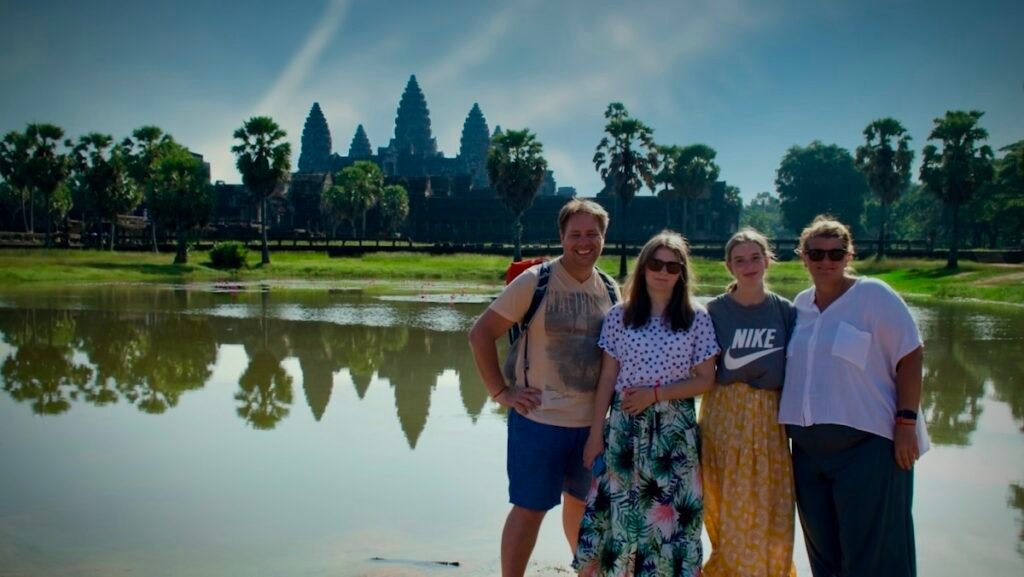
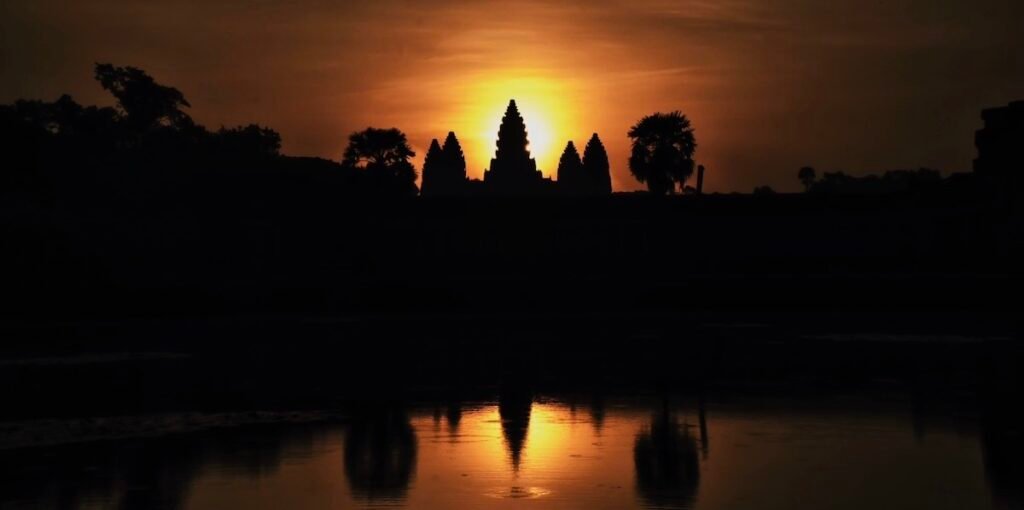
Our time in Siem Reap centred on Angkor Wat, built in the early 12th century and still the largest religious monument in the world. It is so magical you could happily go back again and again. The sheer scale of the temples, and the detail carved into almost every surface, are unlike anything we have seen.
Yet the experience was bittersweet. It was hard to lose ourselves in the wonder of the ancient world while seeing the corruption and the poor treatment of local people today. It stirred up too much emotion for us to simply be carefree tourists, and it is an experience we would be hesitant to repeat.
Phnom Penh: Confronting the Past
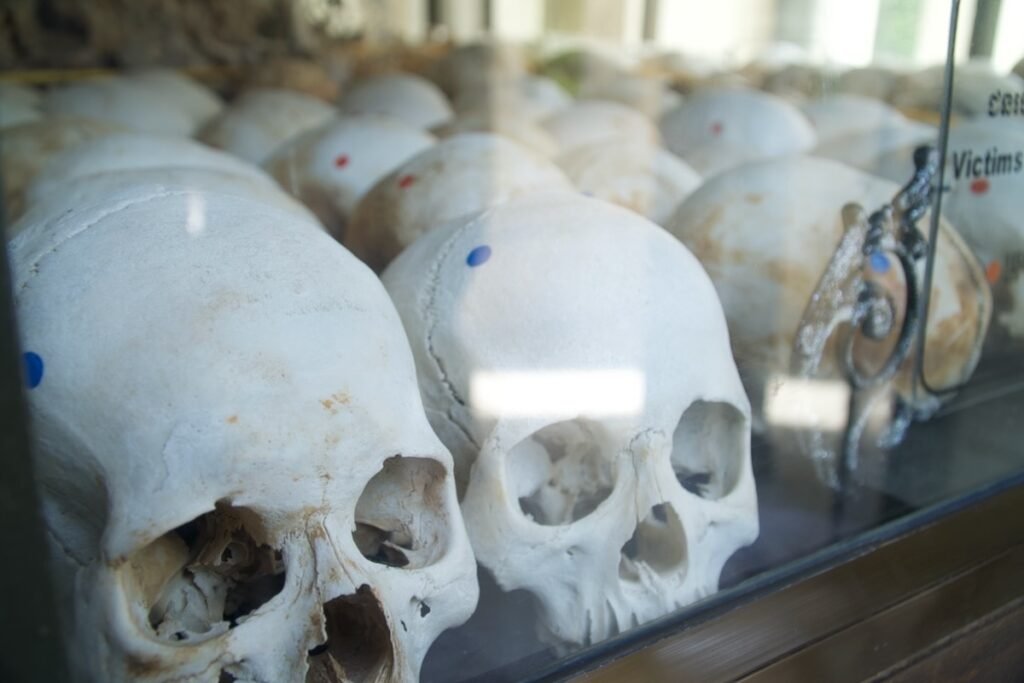
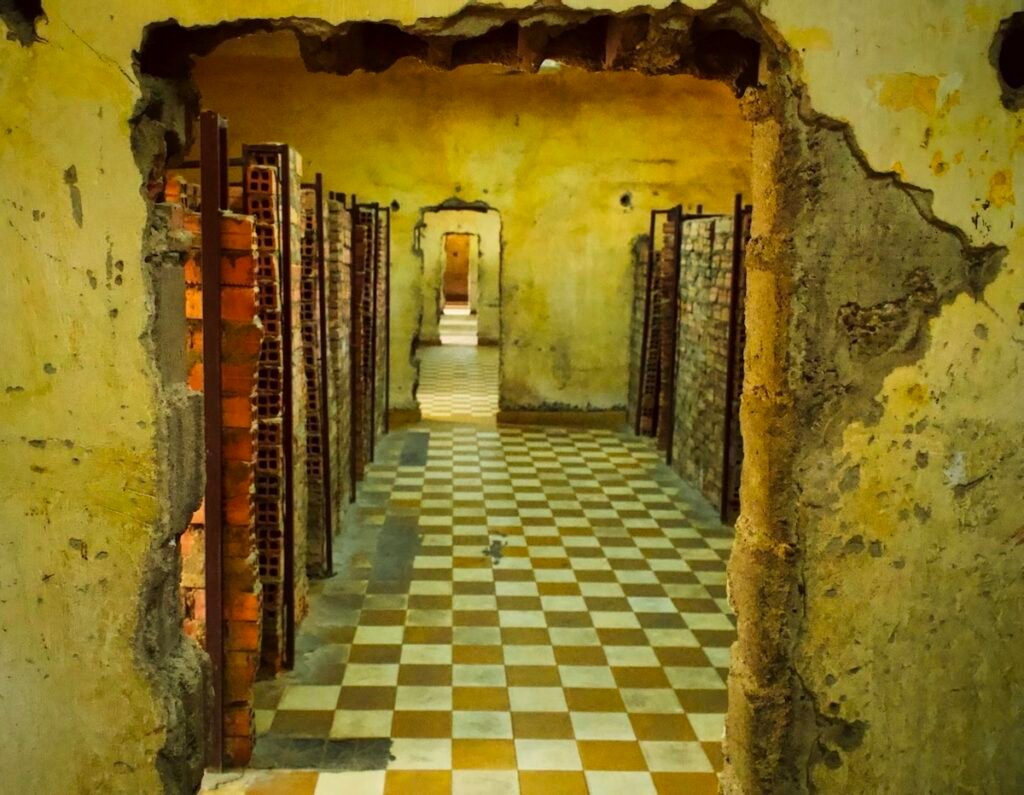
Our main reason for visiting Phnom Penh was to understand the atrocities committed by Pol Pot and the Khmer Rouge, who ruled Cambodia from 1975 to 1979. In less than four years, an estimated 1.5 to 2 million people, around a quarter of the population, died from execution, forced labour, starvation and disease. Sites such as the Tuol Sleng Genocide Museum, the former S-21 prison, and the Choeung Ek killing fields now tell that story.
Facing this history was deeply emotional and distressing, but it felt different from witnessing the country’s modern-day struggles. This was history: something we must learn from, in the hope that it never happens again.
Reading the stories of the people who were imprisoned, and learning what they endured, was incredibly confronting. It was also a powerful reminder of our own good fortune, and it put our lives into perspective. We are lucky not to have lived through such a dark time.
The Harsh Realities of Progress
While the history lessons of Phnom Penh were profound, the modern city had its own heartbreaking realities. When we visited, Cambodia was in the middle of a property boom: around 6,400 construction projects worth more than US$12 billion were approved in 2017 and 2018 alone. Lakes and wetlands were being filled in, and the city’s slums were being cleared, sometimes by force. One local housing group estimates that almost 10,000 Phnom Penh residents a year have been evicted since 1990, and many ended up in resettlement sites such as Andong, around 90 minutes’ drive across the city, far from the jobs and schools they relied on.
Our driver took us through one of the new developments, and it felt like a ghost town. There were rows of brand-new buildings and even an amusement park, but the streets were bare, with barely a car or a person in sight.
Those who couldn’t afford to move to the city’s edge had found the only land left to them. We saw makeshift huts on stilts built over local cemeteries, with little in the way of running water, power or sanitation. It is far from unusual. At Smor San cemetery in the south of the city, around 130 families, about 500 people, were living among the graves in 2019. Some had lost their homes when a chunk of riverbank collapsed into the river in 2002; others had been evicted to make way for a new market. Children played among the headstones, and families planted gardens in front of tombs. Just across the river, the towers of Diamond Island were rising as the jewel of Phnom Penh’s new skyline.
More than 25,000 families were living in 277 poor settlements around the city at the time, perched over swamps and sewage canals, squeezed alongside railway lines, or sharing their space with the dead.
Further reading: Ghost town: the Cambodian cemetery where the living outnumber the dead (Thomson Reuters Foundation, January 2019) and Life among the dead (AFP via South China Morning Post, June 2019).
Final Thoughts
Cambodia is a beautiful country with a rich cultural heritage, but it challenges you to look beyond the postcard views. It is a place that stays with you long after you leave, not just for its ancient wonders, but for the difficult truths it reveals about our world and our shared history.

0 Comments